Skip to content

Cart

Your cart is empty

Signup for our newsletter

Describe what your customers will receive when subscribing to your newsletter.

Article: Mixing Wood Tones: The Designer's Guide to Layering Finishes

Mixing Wood Tones: The Designer's Guide to Layering Finishes
design tips

Mixing Wood Tones: The Designer's Guide to Layering Finishes

One of the most common design questions is whether you can mix different wood tones in the same space. The answer is absolutely yes - in fact, mixing wood finishes adds depth, warmth, and sophistication to interiors. The key is knowing how to do it well.

Table of Contents

Why Mix Wood Tones?

Matching all your wood perfectly creates a flat, one-dimensional look. Mixing tones adds visual interest, prevents the space from feeling too matchy, and creates a collected, layered aesthetic that feels authentic rather than staged.

Think of it like wearing all one colour versus layering shades - the variation creates depth.

Understanding Wood Tones

Wood tones generally fall into three categories:

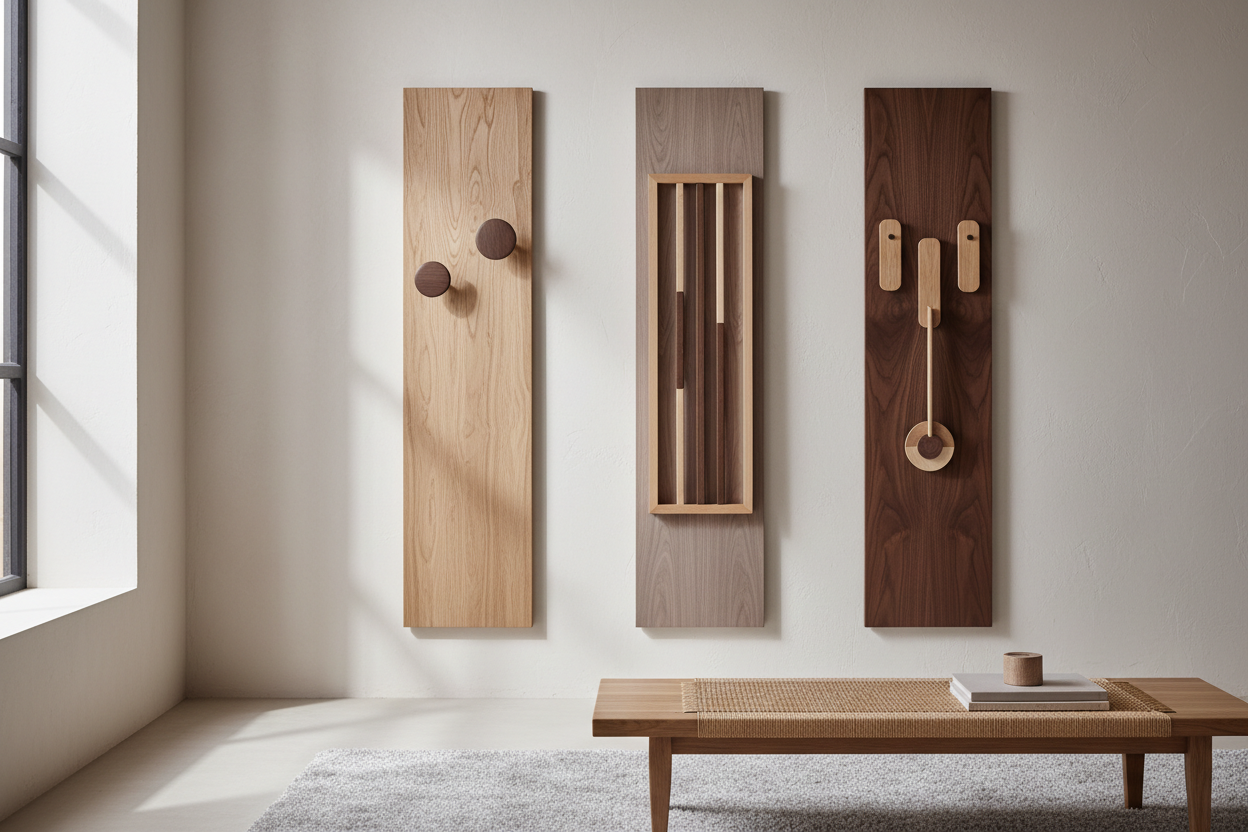
Light oak wall hooks

Light woods: Oak, beech, ash, maple - these have warm, honey tones and work in almost any space. Our oak and beech hooks exemplify this category.

Medium woods: Cherry, teak, mahogany - these have richer, warmer tones with more red or orange undertones.

Dark walnut wall hooks

Dark woods: Walnut, ebony, dark oak - these have deep, rich tones that add drama and sophistication. Our walnut pieces showcase this beautifully.

The Rules for Mixing

Rule 1: Vary the tones
Don't mix woods that are too similar - it looks like a failed attempt to match. Instead, create clear contrast. Pair light oak with dark walnut, or medium cherry with pale ash.

Rule 2: Keep undertones consistent
All woods have undertones - warm (yellow, orange, red) or cool (grey, white). Mixing undertones can clash. Stick to all warm or all cool for cohesion.

Rule 3: Distribute evenly
Don't cluster all your dark wood on one side of the room. Distribute different tones throughout the space for balance.

Rule 4: Let one tone dominate
Choose one wood tone as your primary (usually flooring or large furniture) and use others as accents.

Practical Application

Start with your largest wood element - typically flooring. If you have light oak floors, you can add walnut furniture and beech accessories. The variation creates interest while the warm undertones tie it together.

Mixed wood tones display

Our range makes this easy - mix oak, walnut, and beech hooks on the same wall for a layered, collected look.

Common Combinations That Work

Light oak + dark walnut: Classic, sophisticated, works in any style from Scandi to industrial.

Beech + medium cherry: Warm, inviting, perfect for traditional or transitional spaces.

Ash + walnut: Contemporary, clean, ideal for modern minimalist interiors.

When to Match

There are times when matching makes sense - built-in cabinetry, a dining set, or bedroom furniture suite. But even then, you can mix in accent pieces in different tones.

Confidence in Mixing

The key to successfully mixing wood tones is confidence. Don't second-guess yourself - if the undertones work and you've created clear contrast, trust your instincts.

Start small if you're nervous. Add a walnut sign to a room with oak furniture, or layer our colourful oak hooks with existing wood tones.


Related Articles

Leave a comment

This site is protected by hCaptcha and the hCaptcha Privacy Policy and Terms of Service apply.

Read more

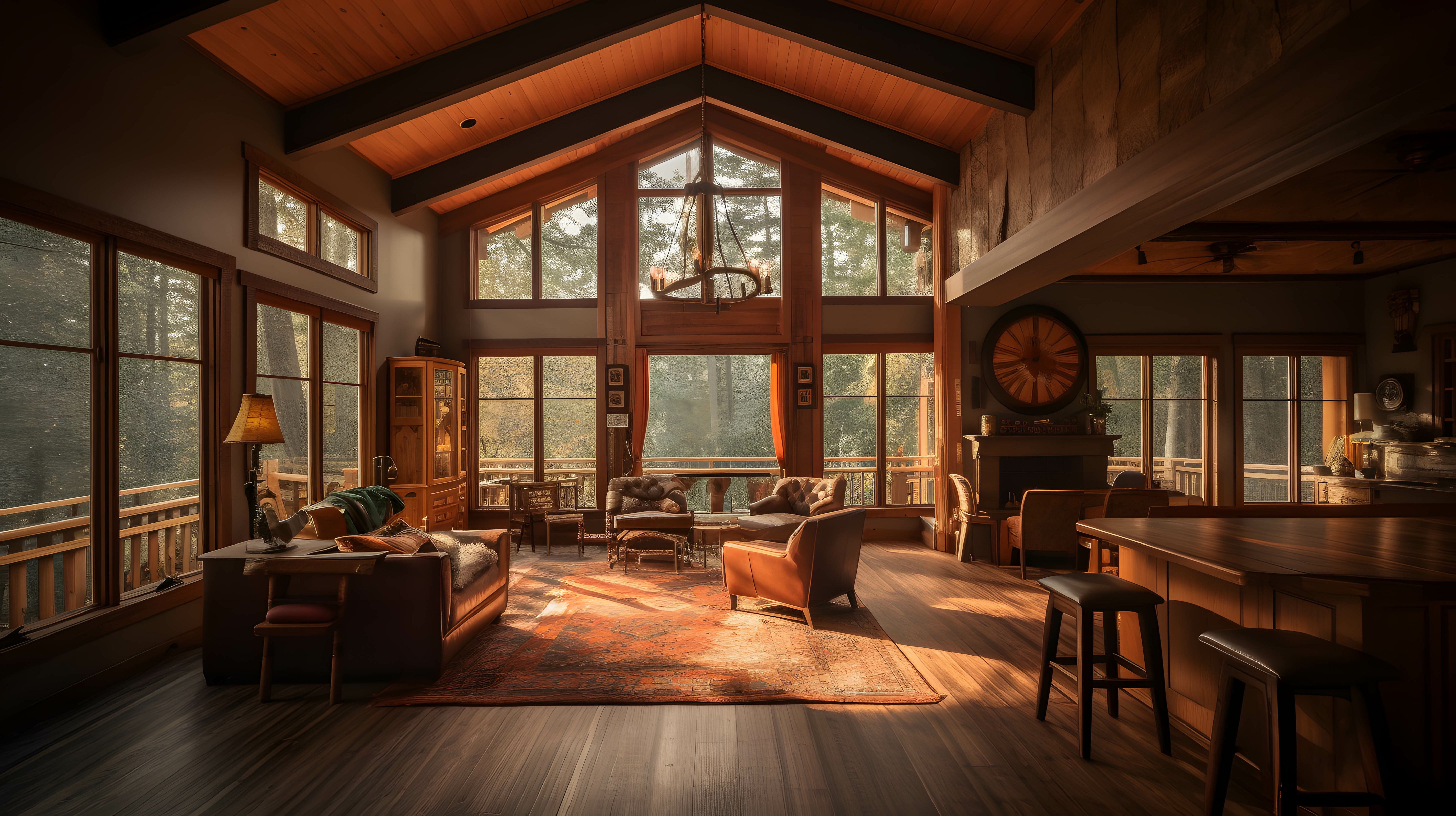
Interior of cabin in the woods, wooden cabin décor - noir.design
Authenticity

Elevate Your Space: The Noir.Design Touch in Rustic Chic

Hey there, décor enthusiasts! Today, we're diving into the heart of rustic charm and the magic that unfolds when you introduce the right accessories. If you're on the lookout for a touch of warmth ...

Read more
Japandi Style: Where Japanese Minimalism Meets Scandinavian Warmth
home decor

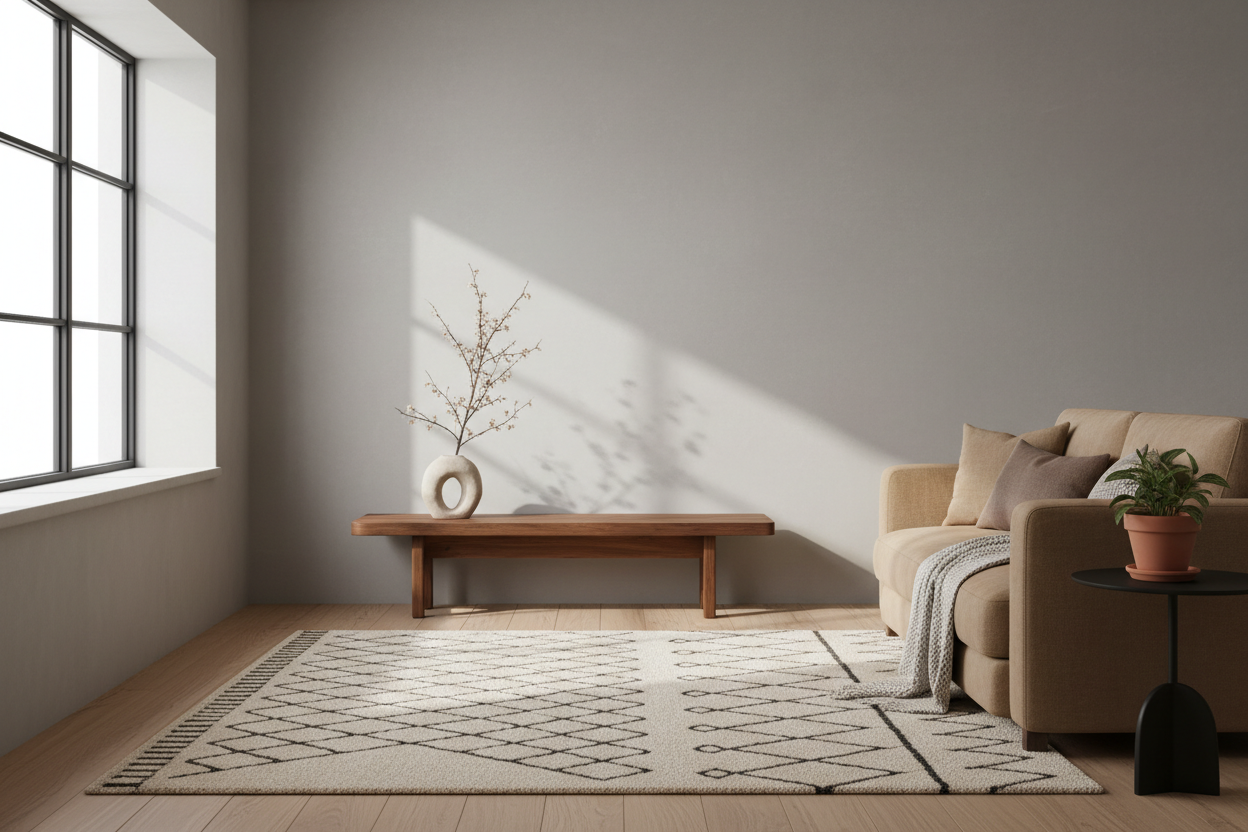
Japandi Style: Where Japanese Minimalism Meets Scandinavian Warmth

Discover Japandi style - the perfect fusion of Japanese minimalism and Scandinavian warmth. Learn how to create serene, functional spaces with natural materials and mindful design.

Read more