Why Steam-Bent Wood Home Decor is the Hottest Interior Design Trend of 2026

Why Steam-Bent Wood Home Decor is the Hottest Interior Design Trend of 2026

Walk into any design-forward home today and you'll likely notice something: graceful curves, organic forms, and sculptural wooden pieces that seem to defy the rigid geometry we've grown accustomed to. Steam-bent wood home decor isn't just having a moment—it's leading a full-scale revolution in how we think about interior design, craftsmanship, and the objects we choose to live with.

From sculptural surfboard mounts to flowing coat racks, steam-bent wood pieces are appearing in homes across the UK and beyond. But this isn't just another fleeting trend—it's a meaningful shift toward quality, sustainability, and design that honours both tradition and innovation.

Walnut and oak blended coat rack with 5 hooks in modern entryway with hat and coat

The Perfect Storm: Why Now?

Several cultural and design movements have converged to create the perfect conditions for steam-bent wood's resurgence. Understanding these forces helps explain why this ancient technique is suddenly everywhere.

The Backlash Against Fast Furniture

For decades, we've been conditioned to view furniture as disposable. Flat-pack pieces designed to last a few years, then be replaced. But consumers are increasingly rejecting this model. The environmental cost is too high, the quality too low, and the lack of character too apparent.

Steam-bent wood represents the antithesis of fast furniture. These pieces are built to last generations, crafted by hand using techniques that have proven their worth over centuries. When you invest in a steam-bent piece, you're making a statement: quality over quantity, longevity over disposability, craftsmanship over convenience.

The Curve Revolution in Design

After years of stark minimalism dominated by straight lines and right angles, design is softening. Curves are everywhere—in architecture, furniture, and decor. This shift reflects a desire for spaces that feel more human, more organic, more welcoming.

Steam bending creates curves that feel natural because they are natural. The wood's grain flows continuously through the bend, creating forms that appear to have grown rather than been manufactured. This organic quality resonates deeply in an age where we're increasingly disconnected from natural materials and processes.

The Authenticity Movement

Consumers are craving authenticity. They want to know where their products come from, who made them, and how. Steam-bent wood pieces tell a story—of skilled craftspeople, traditional techniques, and materials that carry their own unique character.

Each steam-bent piece is subtly different, bearing the marks of its making and the unique grain pattern of its wood. In a world of mass-produced uniformity, this individuality is precious. It's the difference between owning an object and owning a piece of craft history.

Sustainability as Standard

Environmental consciousness is no longer niche—it's mainstream. Consumers are making purchasing decisions based on sustainability, and steam-bent wood scores exceptionally well on every metric.

The technique uses minimal material with virtually no waste. The pieces last lifetimes, eliminating the need for replacement. The wood is sustainably sourced and finished with natural oils. And because steam bending requires no adhesives or synthetic materials, the pieces can eventually be recycled or composted at end of life. This circular approach to design aligns perfectly with contemporary values.

The Aesthetic Appeal: Why Steam-Bent Wood Works in Modern Interiors

Beyond the ethical and environmental arguments, steam-bent wood simply looks stunning in contemporary spaces. Here's why it works so well:

Sculptural Presence

Steam-bent pieces function as functional sculpture. A curved surfboard mount isn't just storage—it's a three-dimensional artwork that adds visual interest to your wall. The interplay of light and shadow across curved surfaces creates dynamic visual effects that change throughout the day.

This sculptural quality means steam-bent pieces can serve as focal points in minimalist interiors. You don't need much—a single well-placed curved piece can define an entire room's character.

Sunrise oak and walnut coat rack with key storage in styled interior

Textural Warmth

Modern interiors often feature hard surfaces: concrete, glass, metal, tile. While these materials create clean, contemporary aesthetics, they can feel cold. Steam-bent wood introduces organic warmth that balances these harder elements.

The natural grain patterns, subtle colour variations, and tactile quality of wood create sensory richness that synthetic materials can't match. This textural warmth makes spaces feel more inviting and livable.

Versatile Styling

One of steam-bent wood's greatest strengths is its versatility. These pieces work across multiple design styles:

Scandinavian: The clean lines and natural materials align perfectly with Nordic design principles. Light oak pieces complement the pale palettes and uncluttered aesthetics of Scandinavian interiors.

Mid-Century Modern: Steam bending was a hallmark of mid-century furniture design. Contemporary steam-bent pieces echo this heritage while feeling fresh and current.

Japandi: The fusion of Japanese and Scandinavian design celebrates natural materials and organic forms. Steam-bent wood embodies both traditions beautifully.

Contemporary: In ultra-modern spaces, steam-bent pieces provide organic counterpoints to geometric architecture and furnishings.

Transitional: For spaces that blend traditional and contemporary elements, steam-bent wood bridges both worlds—honouring craft tradition while feeling thoroughly modern.

The Power of Negative Space

Steam-bent pieces often feature open, flowing forms that create interesting negative space. This visual lightness prevents rooms from feeling cluttered or heavy, even when walls are decorated.

A row of curved wall hooks, for example, adds functional storage and visual interest without overwhelming the wall. The curves create rhythm and movement while the spaces between allow the wall colour or texture to show through.

The Psychology of Curves

There's actual science behind why we're drawn to curved forms. Research in environmental psychology shows that humans have an innate preference for curved over angular shapes. Curves are associated with safety, comfort, and approachability, while sharp angles can trigger subtle stress responses.

In interior design, this translates to spaces that feel more welcoming and relaxing. Steam-bent wood pieces, with their gentle curves and organic forms, create environments that are psychologically comforting—spaces where we can truly unwind.

This is particularly valuable in our current moment, when homes serve multiple functions: workspace, sanctuary, social hub, and retreat. Design elements that reduce stress and promote wellbeing aren't just aesthetic choices—they're investments in mental health.

Instagram and the Visual Economy

Let's be honest: social media has influenced interior design trends significantly. Steam-bent wood pieces are exceptionally photogenic. The curves catch light beautifully, the grain patterns add visual texture, and the sculptural forms create compelling compositions.

But unlike many Instagram-driven trends that prioritize appearance over substance, steam-bent wood delivers on both fronts. These pieces look stunning in photos and perform beautifully in real life. They're not just for show—they're functional, durable, and improve with age.

This combination of visual appeal and genuine quality has helped steam-bent wood spread through design communities online, with each beautifully styled image introducing the aesthetic to new audiences.

The Craft Renaissance

We're living through a craft renaissance. After decades of mass production and automation, there's renewed appreciation for handmade objects and traditional techniques. This shift is driven by multiple factors:

Desire for Connection: In an increasingly digital world, handcrafted objects provide tangible connection to human skill and creativity.

Rejection of Uniformity: Mass production creates identical objects. Handcrafted pieces carry the marks of their making, ensuring each is unique.

Support for Artisans: Buying handcrafted supports skilled craftspeople and helps preserve traditional knowledge.

Quality Appreciation: As consumers become more discerning, they recognize the superior quality of handmade goods.

Steam bending sits at the heart of this craft renaissance. It's a technique that can't be fully automated, that requires years to master, and that produces objects of exceptional quality and beauty. Choosing steam-bent pieces is a way to participate in and support this broader movement toward valuing craft.

Specific Applications Driving Popularity

Certain applications of steam-bent wood have particularly captured designers' and homeowners' imaginations:

Wall Hooks and Coat Racks

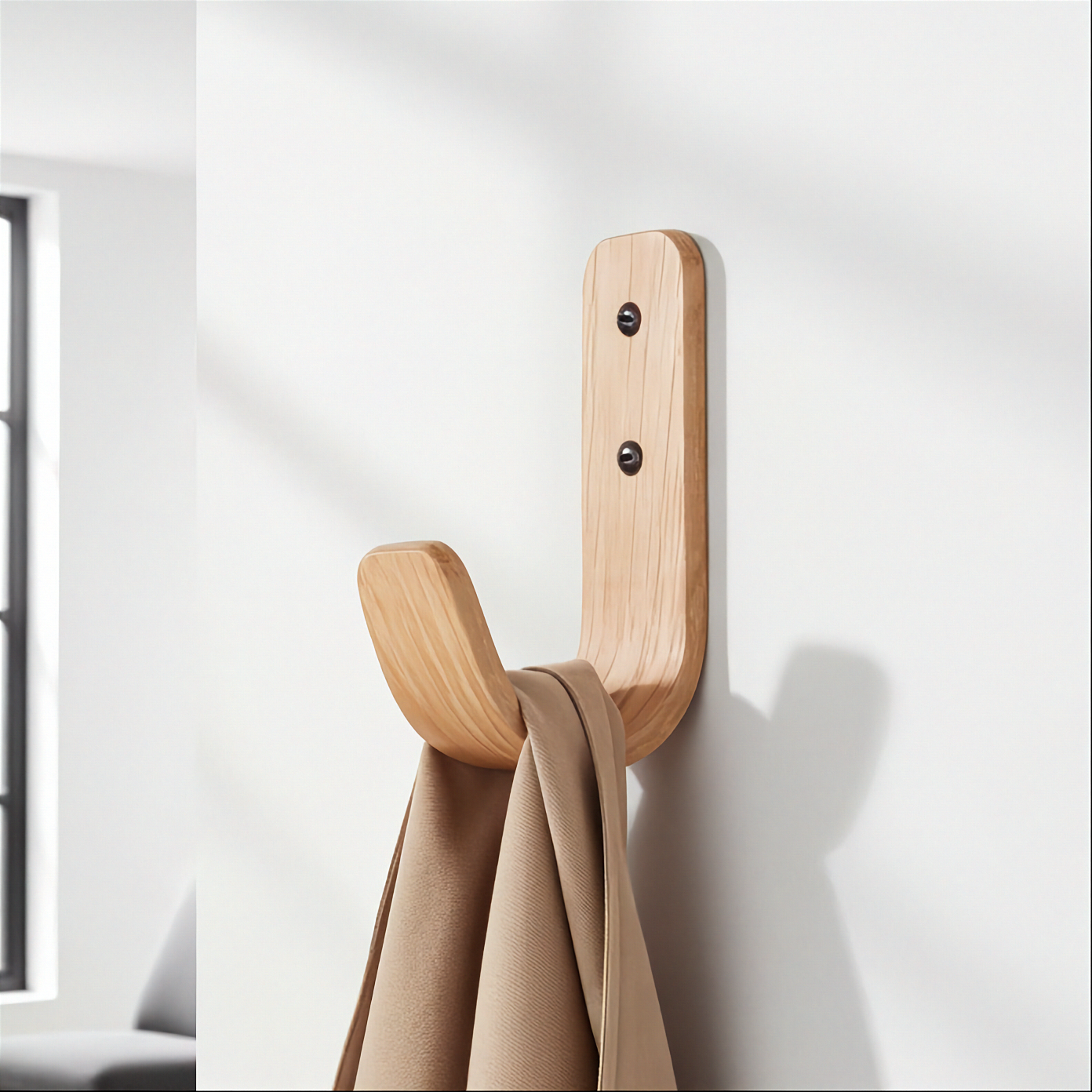
Perhaps no application showcases steam bending's potential better than wall hooks and coat racks. Our collection of 5-hook coat racks demonstrates how utilitarian objects can become sculptural art. Each hook is individually steam-bent to create flowing, organic forms that are both functional and beautiful.

Spring oak coat rack with 5 steam-bent hooks in contemporary hallway

The Sunrise Oak & Walnut Coat Rack combines the warm honey tones of oak with rich walnut accents, plus integrated key storage for ultimate functionality. The Walnut & Oak Blended Coat Rack creates visual interest through mixed wood tones, while the Spring Oak Coat Rack showcases the pure beauty of solid oak with its prominent grain patterns.

The curves aren't decorative—they improve function by providing better hold and preventing items from sliding off—but they transform the aesthetic entirely. These coat racks make powerful first impressions in entryways, signaling that this is a home where design matters, where quality is valued, where even the smallest details receive attention.

The steam-bent hooks create visual rhythm on the wall while providing heavy-duty storage—each hook supports up to 7kg, making them suitable for heavy winter coats, loaded bags, and multiple items.

Surfboard Displays

The surf culture aesthetic has moved far beyond coastal homes. Surfboards as wall art appeal to anyone who values adventure, nature, and distinctive design. Steam-bent surfboard mounts elevate this trend, turning board storage into gallery-worthy display.

The curved mount cradles the board's shape, creating a harmonious composition that celebrates both the board and the mount as design objects. It's functional art that tells a story about lifestyle and values.

Furniture Accents

From chair backs to table legs, steam-bent elements are appearing in furniture design. These curves add visual interest and structural strength while maintaining clean, contemporary lines.

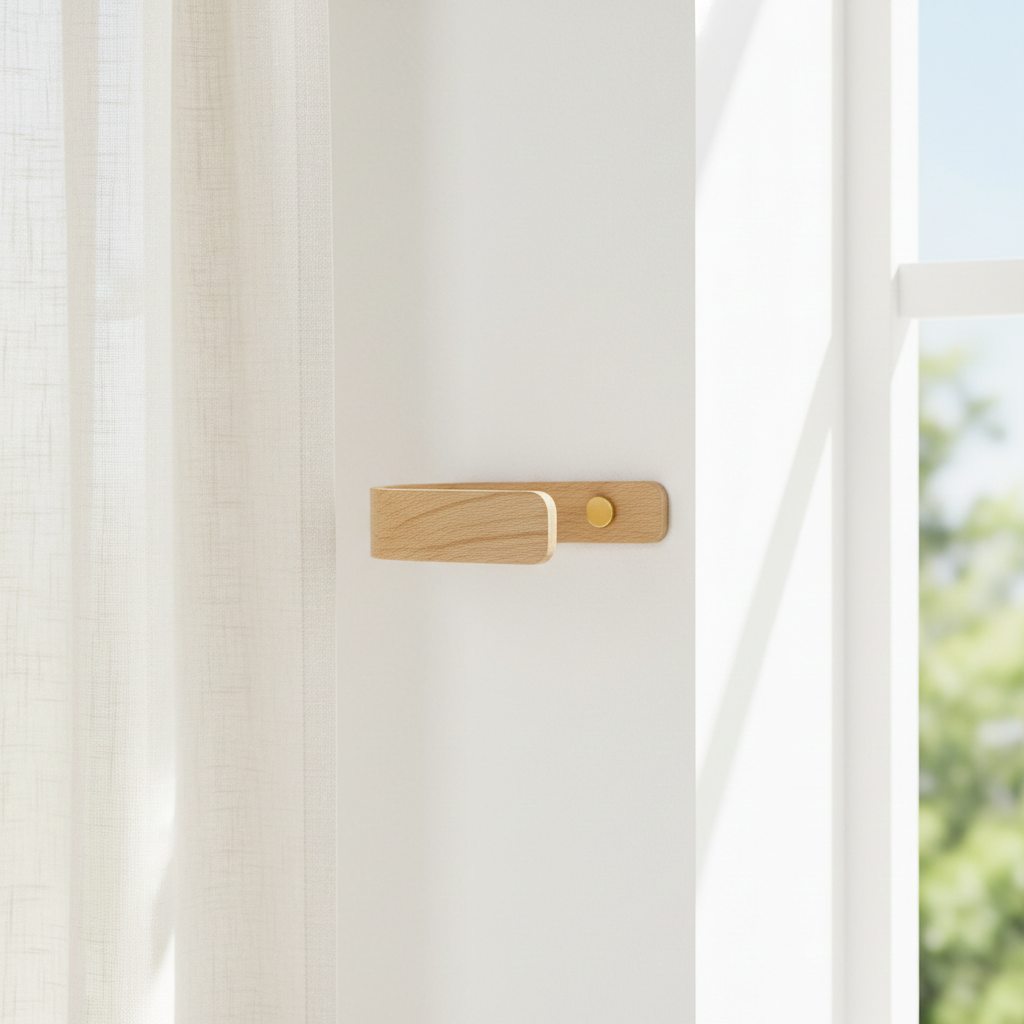
Even small touches—a curved drawer pull, a bent shelf bracket—can introduce the aesthetic without overwhelming a space. This allows homeowners to experiment with the trend in accessible ways.

The Investment Perspective

While steam-bent pieces typically cost more than mass-produced alternatives, they represent genuine value:

Longevity: These pieces last generations, not years. The cost per year of ownership is actually lower than cheaper alternatives that need frequent replacement.

Timelessness: Steam-bent wood won't look dated in five or ten years. The aesthetic is rooted in fundamental design principles and natural forms that transcend trends.

Appreciation: Quality handcrafted pieces often appreciate in value, especially as craft skills become rarer. You're not just buying furniture—you're acquiring objects that may become more valuable over time.

Emotional Value: The joy of living with beautiful, well-made objects has value that's hard to quantify but deeply real. These pieces bring daily pleasure that compounds over years of ownership.

Sustainability Beyond Materials

The sustainability of steam-bent wood extends beyond the materials and process. These pieces promote sustainable living in subtle but important ways:

Repair Culture: Unlike disposable furniture, steam-bent pieces can be repaired, refinished, and restored. This supports a culture of maintenance over replacement.

Heirloom Potential: Objects built to last generations can be passed down, reducing overall consumption and creating family connections through shared objects.

Mindful Consumption: Investing in quality pieces encourages more thoughtful purchasing decisions overall, reducing impulse buying and accumulation.

Local Production: Many steam-bent pieces, including ours at NOIR.DESIGN, are made locally. This reduces transportation emissions and supports local economies.

The Tactile Experience

In our increasingly screen-based lives, tactile experiences matter more than ever. Steam-bent wood pieces invite touch. The smooth curves, the warmth of the wood, the subtle texture of the grain—these sensory qualities create moments of connection with physical materials.

This tactile richness contributes to wellbeing in ways we're only beginning to understand. Studies show that interaction with natural materials reduces stress and promotes calm. Having these touchpoints throughout your home creates opportunities for these micro-moments of sensory pleasure.

Customization and Personalization

Many steam-bent pieces offer customization options that mass-produced items can't match. Choice of wood species, hardware finishes, dimensions, and even curve profiles allow you to create pieces that perfectly suit your space and aesthetic.

This level of personalization means your pieces truly reflect your taste and needs. They're not compromises or close-enough solutions—they're exactly what you want.

The Future of the Trend

Where is steam-bent wood home decor heading? Several developments suggest this is more than a passing fad:

Designer Collaborations: More designers are exploring steam bending, creating innovative applications and pushing the technique in new directions.

Broader Applications: We're seeing steam-bent elements in lighting, shelving, room dividers, and architectural details—expanding beyond traditional furniture.

Education and Appreciation: As consumers learn about the technique, appreciation grows. This knowledge creates lasting demand rather than trend-driven spikes.

Sustainability Imperative: As environmental concerns intensify, techniques like steam bending that offer superior sustainability will only become more relevant.

How to Incorporate Steam-Bent Wood in Your Home

Ready to embrace this trend? Here's how to start:

Start Small: A set of wall hooks or a single decorative piece lets you test the aesthetic without major commitment.

Consider Function: Choose pieces that solve actual needs—storage, display, organization. This ensures they earn their place in your home.

Mix with Existing Decor: Steam-bent pieces work with most styles. Don't feel you need to redesign your entire space—these pieces integrate beautifully.

Choose Quality: Not all steam-bent pieces are created equal. Look for solid hardwood, quality hardware, and skilled craftsmanship. The difference is visible and tangible.

Think Long-Term: Choose pieces you'll love for years, not just what's trendy right now. Classic forms and quality materials ensure longevity.

The NOIR.DESIGN Perspective

At NOIR.DESIGN, we've been championing steam-bent wood long before it became trendy. For us, this isn't about following fashion—it's about creating pieces that honour traditional craft while serving contemporary life.

Every curve in our collection exists for a reason. Every bend serves both form and function. We use steam bending because it's the best way to create pieces that are strong, sustainable, beautiful, and built to last—not because it's having a moment.

That said, we're thrilled to see broader appreciation for this technique. The more people understand and value steam bending, the more likely these skills will survive and thrive. Every piece we sell helps ensure this knowledge passes to the next generation of craftspeople.

Beyond Trend: A Design Philosophy

Ultimately, the popularity of steam-bent wood reflects something deeper than aesthetic preference. It represents a shift in values—toward quality, sustainability, craftsmanship, and authenticity. Toward objects that tell stories, that connect us to tradition, that improve rather than degrade with time.

This isn't a trend that will fade when the next thing comes along. It's a return to fundamental principles of good design: honest materials, skilled making, timeless forms, and objects built to last. These principles never go out of style because they're rooted in what makes design meaningful.

When you choose steam-bent wood for your home, you're not just following a trend. You're making a statement about what you value, how you want to live, and the kind of world you want to support. You're choosing quality over quantity, longevity over disposability, beauty over mere function.

And that's a choice that will never go out of fashion.

Explore our collection of steam-bent surfboard mounts, Sunrise Oak & Walnut Coat Rack, Walnut & Oak Blended Coat Rack, and Spring Oak Coat Rack—each handcrafted in our UK workshop using traditional steam bending techniques. Discover why this ancient craft is defining contemporary interior design.

Back to blog

Leave a comment

Curved Elegance: Showcasing Our Stunning Steam Bending Creations

Curated hardwood accessories selected by interior designers for refined residential and commercial spaces. This collection features our most versatile pieces that seamlessly integrate into contemporary, minimalist, and luxury interiors.

From wall-mounted hardware to desk accessories, each handcrafted piece in this collection has been chosen for its timeless design, premium materials, and ability to elevate any interior scheme. Crafted from European Ash, Oak, and American Black Walnut.