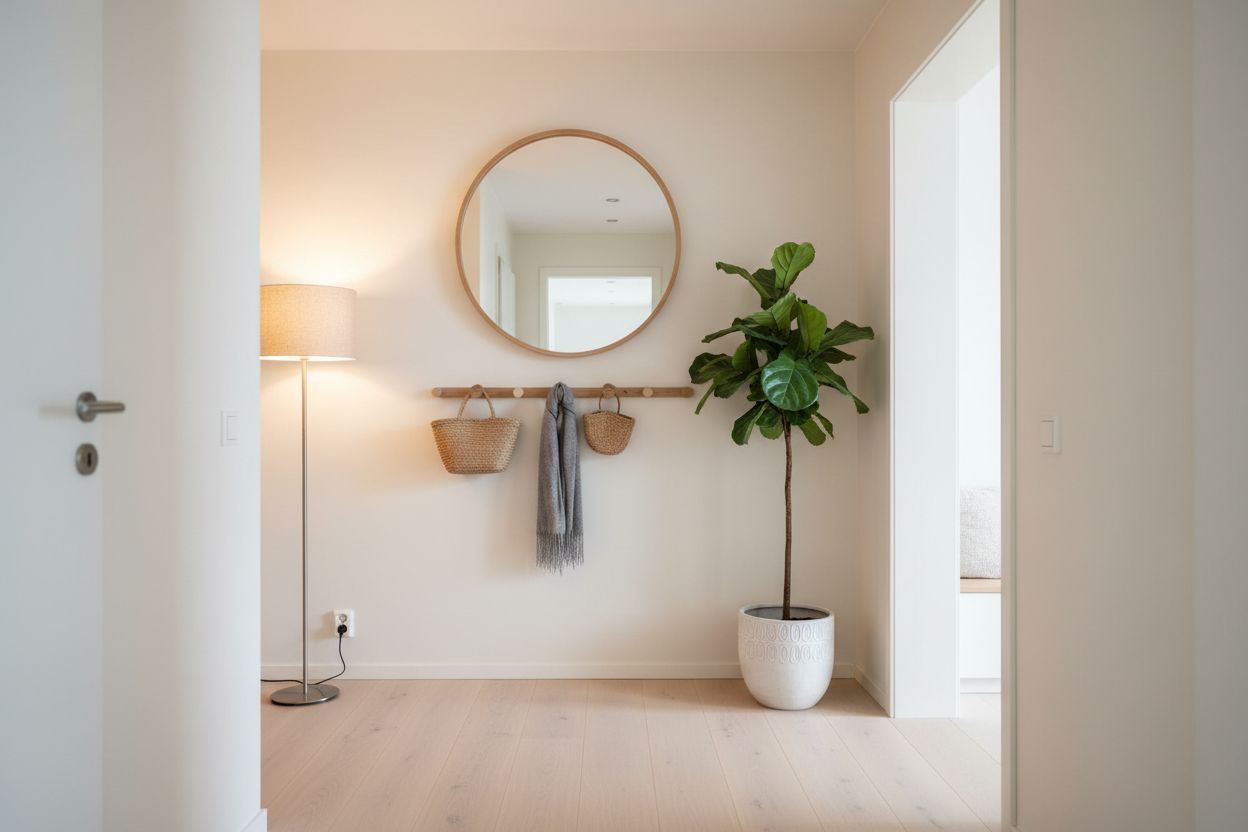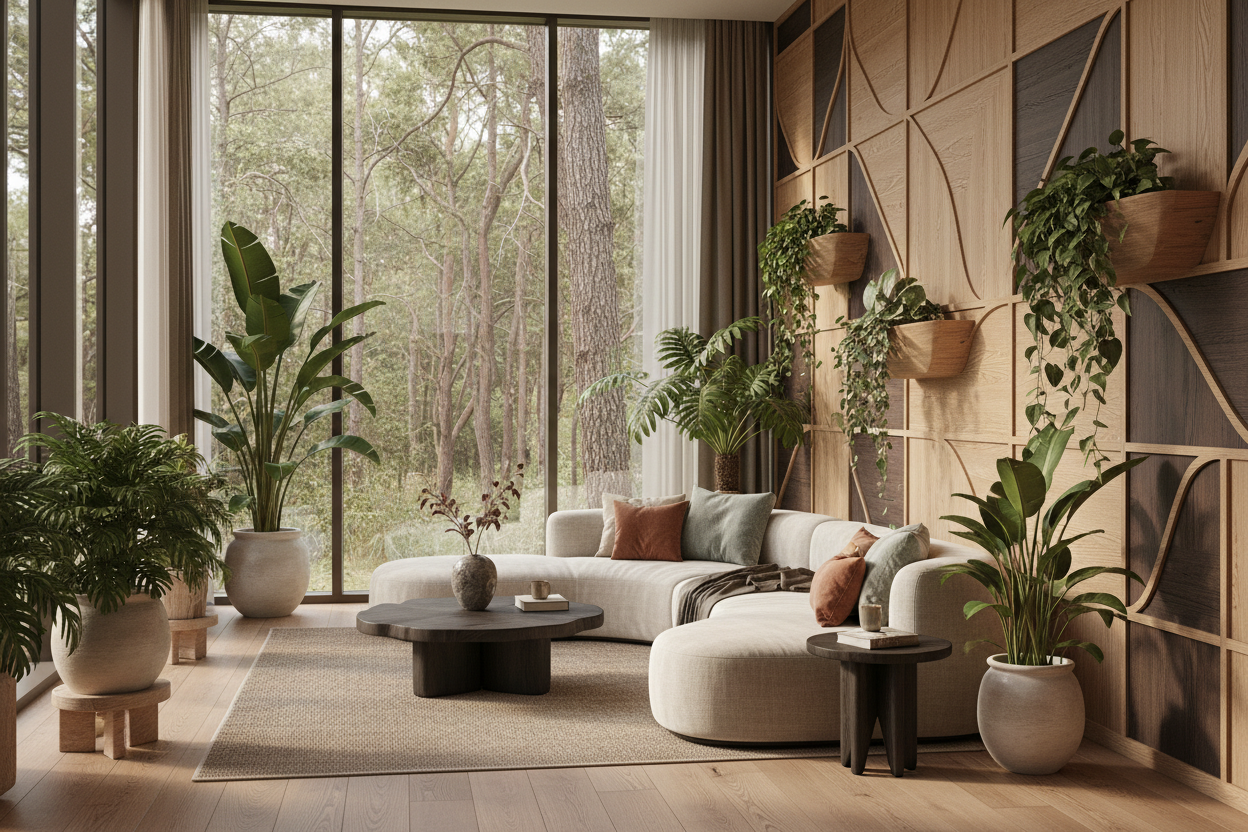
Table of Contents What Is Biophilic Design? Why Biophilic Design Is More Popular Than Ever The Psychological Benefits of Natural Materials Why Wood Plays a Central Role in Biophilic Interiors Plants: The Living Element of Biophilic Design Maximising Space with Wall-Mounted Plant Holders Organic Shapes and the Return of Curves Sustainability and Long-Term Design Creating a Biophilic Home: Simple Ideas to Get Started The Future of Interior Design Is Rooted in Nature Modern interior design is evolving beyond aesthetics alone. Today, homeowners are looking for spaces that not only look beautiful but also promote wellbeing, reduce stress, and create a stronger connection with nature. This shift has led to the rapid rise of biophilic design, a design philosophy that brings natural elements into indoor environments to create healthier, more harmonious living spaces. From handcrafted wooden décor and wall-mounted plant holders to natural light and organic shapes, biophilic design has become one of the most influential interior trends of recent years. More than a passing fashion, it represents a growing desire to reconnect with nature in a world increasingly dominated by technology and urban living. In this guide, we'll explore what biophilic design is, why it matters, and how natural wood and plants can transform modern interiors into spaces that feel calm, welcoming, and inspiring. What Is Biophilic Design? The term biophilia comes from the Greek words for "life" and "love." It describes humanity's innate tendency to seek connections with nature and living systems. Biophilic design applies this concept to architecture and interior spaces by incorporating natural materials, textures, colours, and living elements into the built environment. The goal is to create interiors that support both physical and emotional wellbeing. Rather than treating nature as something separate from daily life, biophilic design integrates it directly into our homes, workplaces, and public spaces. Common features include: Natural wood and stone materials Indoor plants and living walls Organic shapes and curves Abundant natural light Earth-inspired colour palettes Natural textures and patterns Open, airy layouts These elements work together to create environments that feel grounded, balanced, and restorative. Why Biophilic Design Is More Popular Than Ever The popularity of biophilic interiors has grown significantly over the past decade, driven by several lifestyle changes. Increased Urban Living As more people move into cities, daily contact with nature often decreases. Apartments, offices, and dense urban environments can create a sense of disconnection from the natural world. Introducing wood, plants, and organic materials into interior spaces helps bridge this gap, bringing a sense of nature indoors even in highly urban settings. Working From Home Remote work has transformed how people view their homes. Living spaces now often serve as offices, creative studios, and places of relaxation. As a result, homeowners are increasingly focused on creating environments that support productivity, comfort, and mental wellbeing. Growing Interest in Wellness Health-conscious consumers are paying greater attention to how their surroundings affect their mood and stress levels. Natural materials and greenery are now viewed as important components of a healthy home environment. Sustainability Awareness Consumers are also becoming more mindful of sustainability. Choosing durable, responsibly sourced materials such as hardwoods can help create interiors that are both beautiful and environmentally responsible. The Psychological Benefits of Natural Materials One of the key principles behind biophilic design is that natural materials have a measurable impact on how we feel. Wood, in particular, has been shown to create a sense of warmth, comfort, and relaxation. Unlike synthetic materials, natural wood contains unique grain patterns, textures, and colour variations that make each piece distinctive. These subtle imperfections help create interiors that feel authentic and lived-in rather than overly manufactured. Natural wood can: Create a calming atmosphere Add visual warmth Reduce the feeling of sterility in modern interiors Enhance comfort and relaxation Provide timeless aesthetic appeal This is one reason why hardwood species such as oak and walnut remain highly sought-after in contemporary interior design. Why Wood Plays a Central Role in Biophilic Interiors Few materials embody biophilic design as effectively as wood. Its natural grain patterns, organic texture, and durability make it an ideal choice for creating spaces that feel connected to nature. Oak: Light, Timeless, and Versatile Oak is known for its strength, durability, and attractive grain patterns. Its lighter tones complement a wide range of interior styles, including: Scandinavian interiors Minimalist homes Contemporary spaces Japandi-inspired designs Oak introduces warmth without overwhelming a room, making it an excellent choice for wall décor, shelving, and plant holders. Walnut: Rich, Sophisticated, and Characterful Black walnut offers a deeper, richer appearance with striking grain variations and luxurious dark tones. Walnut pairs particularly well with: Modern interiors Industrial design schemes Mid-century modern spaces Contemporary luxury homes The dramatic character of walnut can serve as a focal point while still maintaining a natural aesthetic. Plants: The Living Element of Biophilic Design While natural wood creates warmth and texture, plants introduce life itself into an interior. Indoor plants have become a defining feature of modern homes, and for good reason. They bring: Natural colour Visual interest Organic movement Seasonal variation A stronger connection to nature Plants soften hard architectural lines and create a sense of vitality that cannot be replicated by artificial décor. Whether displayed on shelves, hanging from ceilings, or mounted on walls, plants instantly make interiors feel more welcoming and alive. Maximising Space with Wall-Mounted Plant Holders One of the most effective ways to incorporate greenery into modern interiors is through wall-mounted plant holders. These practical design elements allow homeowners to enjoy plants without sacrificing valuable floor space. Wall-mounted plant displays are particularly useful in: Apartments Small homes Home offices Hallways Kitchens Bathrooms By drawing the eye upward, vertical plant displays can make rooms appear larger while creating a striking visual feature. When combined with handcrafted wooden brackets or holders, they become decorative elements in their own right. The contrast between living greenery and natural hardwood creates a balanced composition that perfectly reflects biophilic design principles. Organic Shapes and the Return of Curves Another defining characteristic of biophilic interiors is the use of organic forms. Nature rarely produces perfectly straight lines. Instead, it is filled with curves, flowing shapes, and asymmetrical patterns. Modern interior design is increasingly moving away from rigid geometry and embracing softer forms inspired by nature. Examples include: Curved furniture Rounded mirrors Bent wood décor Arched shelving Organic wall art These shapes create a more relaxed and welcoming atmosphere while helping spaces feel less formal and more natural. Bent wood craftsmanship, in particular, beautifully captures this principle by transforming solid wood into elegant flowing forms that echo shapes found in nature. Sustainability and Long-Term Design Biophilic design is closely linked to sustainability because both philosophies encourage thoughtful material choices and long-lasting design. Rather than following short-lived trends, biophilic interiors focus on durable materials that age gracefully over time. Natural hardwood products often last for decades when properly cared for, reducing the need for frequent replacement. Consumers are increasingly choosing: Responsibly sourced timber Handmade products Durable materials Eco-friendly finishes Timeless designs This approach not only benefits the environment but also results in more meaningful and personal living spaces. Investing in well-crafted wooden décor can often prove more sustainable than repeatedly replacing lower-quality mass-produced alternatives. Creating a Biophilic Home: Simple Ideas to Get Started You don't need a complete renovation to embrace biophilic design. Small changes can have a significant impact. Add Natural Wood Accents Introduce handcrafted wooden elements through: Wall décor Plant holders Shelves Decorative objects Mirrors with wooden frames Even a few carefully chosen pieces can transform the atmosphere of a room. Incorporate Indoor Plants Start with low-maintenance varieties such as: Pothos Snake plants ZZ plants Peace lilies Philodendrons Position them at varying heights to create visual depth. Focus on Natural Textures Layer different materials to create a richer sensory experience: Wood Linen Cotton Wool Stone Ceramic Natural textures add warmth and authenticity. Maximise Natural Light Open curtains during the day and position mirrors strategically to reflect sunlight throughout the room. Natural light enhances both wooden surfaces and greenery, helping the space feel brighter and more connected to the outdoors. Choose Quality Over Quantity A few thoughtfully crafted pieces often create more impact than an abundance of decorative items. Focus on products that showcase craftsmanship, natural materials, and timeless design. The Future of Interior Design Is Rooted in Nature As modern life becomes increasingly digital, the desire for natural, calming environments continues to grow. Biophilic design offers a meaningful solution by reconnecting people with the natural world through thoughtful material choices, organic forms, and living elements. Natural wood and plants sit at the heart of this movement. Together, they create interiors that feel warm, balanced, and deeply inviting. Whether through handcrafted oak wall décor, elegant walnut plant holders, or carefully curated indoor greenery, these elements bring authenticity and wellbeing into everyday spaces. Biophilic design is more than a trend—it represents a lasting shift toward healthier, more sustainable living. By embracing natural materials and celebrating the beauty of nature indoors, homeowners can create spaces that not only look exceptional but also support comfort, creativity, and wellbeing for years to come. Further Reading Explore more from the NOIR.DESIGN journal: How Wooden Elements Enhance the Biophilic Design Experience Overcoming Design Hurdles by Integrating Biophilic Elements Exploring the World of Sustainable Wooden Materials for Interior Design Why Natural Materials Can Be the Best Choice for Urban Roots A Deep Dive Into The Evolution of Scandinavian Influences on Modern Design
Leave a comment
This site is protected by hCaptcha and the hCaptcha Privacy Policy and Terms of Service apply.