Scandinavian Craftsmanship Meets British Heritage: A Design Love Story
Share
The relationship between Scandinavian and British design traditions runs deeper than many realize. Both cultures share a profound respect for craftsmanship, natural materials, and objects built to last generations. This convergence creates something special: pieces that honor Nordic aesthetic principles while celebrating British woodworking heritage.
Shared Values, Different Expressions
Scandinavian and British design both emerged from cultures that value durability, functionality, and honest materials. While Scandinavian design is often associated with light woods and minimalist forms, and British design with darker woods and traditional joinery, both traditions prioritize quality construction and timeless appeal over fleeting trends.
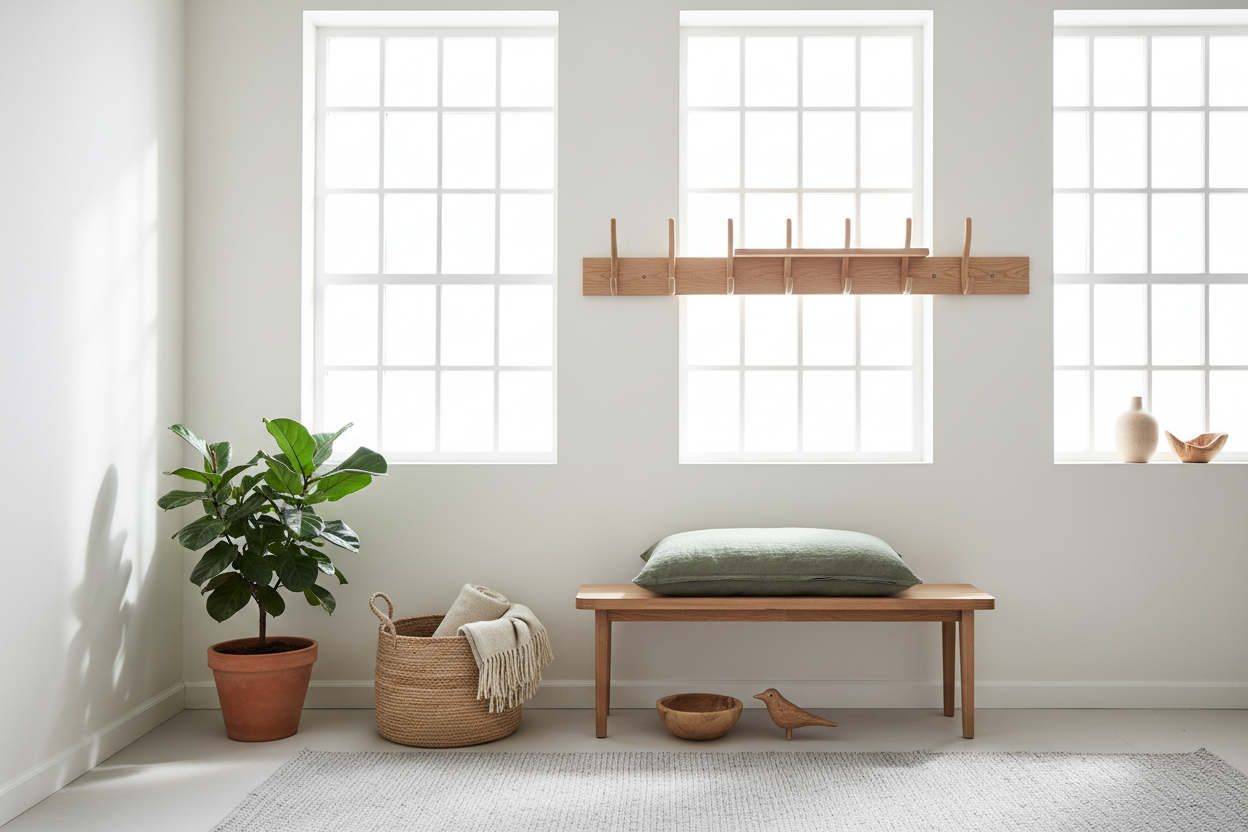
Our handcrafted pieces embody this fusion perfectly. Using premium British hardwoods like oak, walnut, and ash, we apply design principles that would feel at home in Copenhagen, Stockholm, or Oslo—clean lines, functional beauty, and respect for the material's natural character.
The Wood Connection
Both Britain and Scandinavia have rich forestry traditions and deep cultural connections to wood. British oak has been prized for centuries for its strength and beauty, while Scandinavian countries have long celebrated lighter woods like birch and ash for their warmth and workability.
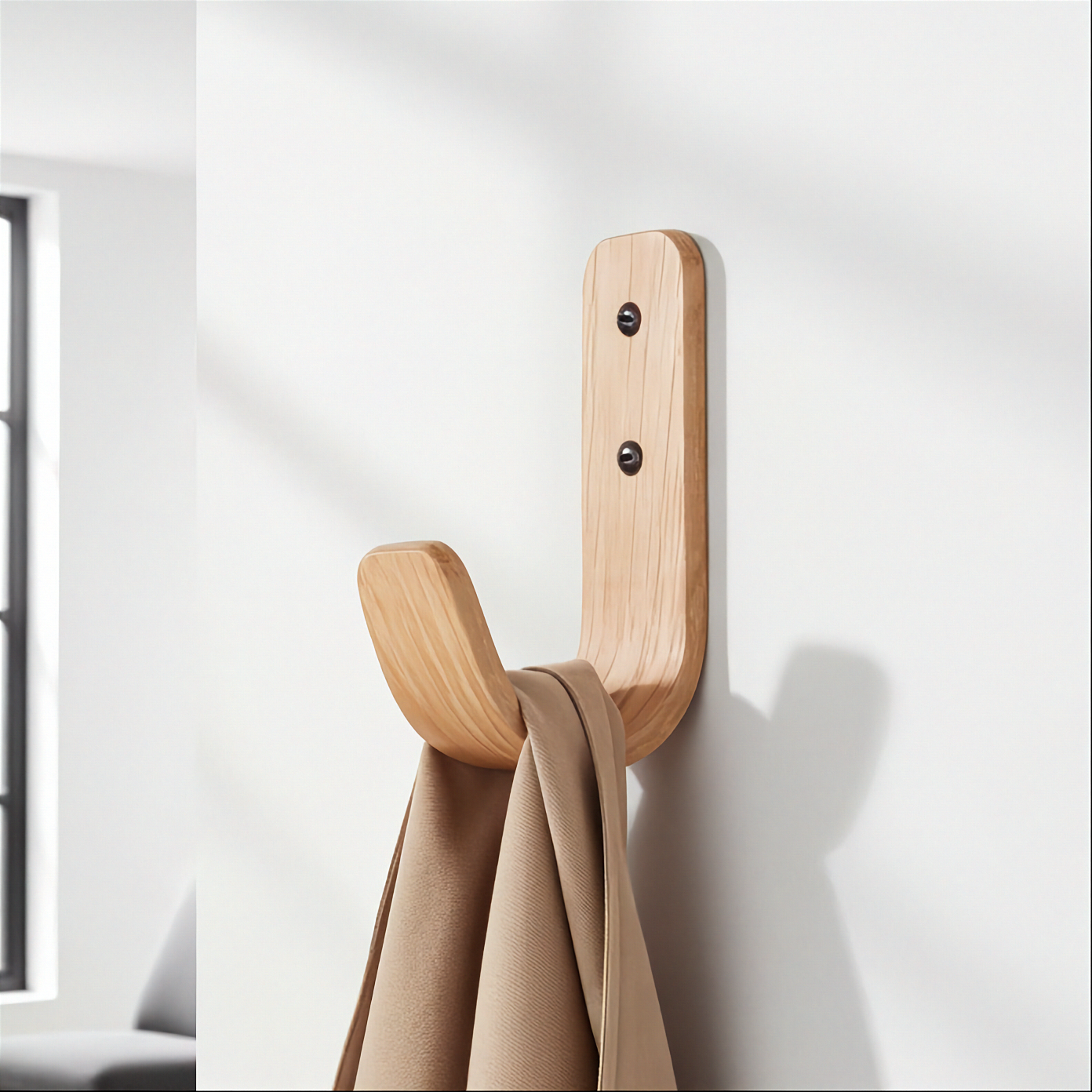
When we craft curved oak hooks using traditional steam bending techniques, we're drawing on methods used by craftspeople in both regions for generations. The result is pieces that transcend geographic boundaries, speaking a universal language of quality and care.

Minimalism with Warmth
One of Scandinavian design's greatest contributions is proving that minimalism doesn't mean cold or sterile. By centering natural materials, particularly wood, Nordic designers created spaces that are both uncluttered and deeply warm—a balance that British craftspeople have long appreciated.
This philosophy is evident in pieces like our walnut wall hooks, where the rich, dark grain of British walnut provides visual warmth within a clean, minimalist form. As we explore in our article on curved wall hooks in modern interiors, this combination of simplicity and natural beauty creates timeless appeal.

Craftsmanship as Heritage
Both Scandinavian and British cultures view craftsmanship not just as a skill but as cultural heritage worth preserving. In an age of mass production, choosing handcrafted pieces becomes an act of cultural preservation—supporting traditional skills and keeping centuries-old techniques alive.
When you select a handcrafted wooden coat rack made in Britain with Scandinavian design sensibilities, you're participating in this preservation. You're saying that the maker's hand matters, that traditional joinery techniques have value, that quality deserves to be celebrated.

Sustainability: A Shared Priority
Long before sustainability became a buzzword, both Scandinavian and British craftspeople understood the importance of using materials responsibly and building things to last. This wasn't environmentalism—it was common sense and respect for resources.
Today, this traditional approach aligns perfectly with modern environmental consciousness. Choosing sustainably sourced hardwood, crafted locally using traditional methods, and designed to last generations is the ultimate sustainable choice. As we discuss in our article on the calming power of wood, natural materials also contribute to healthier, more harmonious living spaces.

Form Follows Function: A Universal Principle
Both design traditions embrace the principle that form should follow function. Objects should be beautiful, yes, but that beauty should emerge from their purpose and honest construction rather than applied decoration.
This is why designer wall hooks crafted with this philosophy feel so satisfying—their curves and proportions aren't arbitrary styling but emerge from their function. The hook's shape is determined by how it needs to hold a coat, the wood's grain is celebrated rather than hidden, the joinery is visible and proud.
The Modern Fusion
Today's best design doesn't belong to one country or tradition—it draws from multiple sources while maintaining coherent principles. A British-made oak hook with Scandinavian proportions, finished with brass hardware, represents this beautiful fusion.
This cross-pollination enriches both traditions. Scandinavian design benefits from British woodworking expertise and access to premium hardwoods like walnut. British design gains from Nordic restraint and focus on essential forms. The result is pieces that feel both familiar and fresh, traditional and contemporary.
Why This Matters for Your Home
Understanding this design heritage helps you make better choices for your space. When you know that a piece embodies centuries of craftsmanship tradition from multiple cultures, it becomes more than just a hook or a coat rack—it's a connection to something larger.
These pieces work in both traditional British homes and modern Scandinavian-inspired spaces because they're rooted in universal principles: quality materials, honest construction, functional beauty, and timeless design. Whether you're in London or Lund, these values resonate.
Choosing Pieces with Heritage
When selecting wooden accessories for your home, consider pieces that honor both traditions. Look for:
Quality hardwoods: Oak, walnut, and ash that showcase natural grain and character
Traditional techniques: Steam bending, proper joinery, hand-finishing that connect to craft heritage
Timeless forms: Clean lines and proportions that will look as good in twenty years as they do today
Functional design: Beauty that emerges from purpose rather than applied decoration
Sustainable sourcing: Materials chosen and used with respect for environmental impact
A Design Language Without Borders
The convergence of Scandinavian and British design traditions proves that great craftsmanship transcends geography. Whether a piece is made in Yorkshire or inspired by Danish design, what matters is the commitment to quality, the respect for materials, and the dedication to creating objects that serve beautifully for generations.
This is design at its best—rooted in tradition yet relevant today, locally made yet universally appealing, simple in form yet rich in meaning. It's a love story between two great design traditions, and the result is pieces worthy of your home.
Discover our collection of handcrafted wooden pieces that honor both Scandinavian design principles and British woodworking heritage.